A person can sleep eight hours, eat balanced meals and exercise regularly, yet still feel emotionally depleted. That gap exposes a weakness in the way wellness is often presented: as a personal checklist that can be completed with enough discipline, tracking and the right products. Physical habits matter, but they do not operate in isolation. …
Beyond the Wellness Checklist: What Really Protects Us From Burnout
Published: September 18, 2026
by Staff Reporter
A person can sleep eight hours, eat balanced meals and exercise regularly, yet still feel emotionally depleted. That gap exposes a weakness in the way wellness is often presented: as a personal checklist that can be completed with enough discipline, tracking and the right products.
Physical habits matter, but they do not operate in isolation. Workload, job control, relationships, belonging and the freedom to be oneself also shape wellbeing. For parents and expatriates in Dubai, where work and family life can move at a demanding pace, these less visible factors may determine whether ordinary stress settles or grows into burnout.
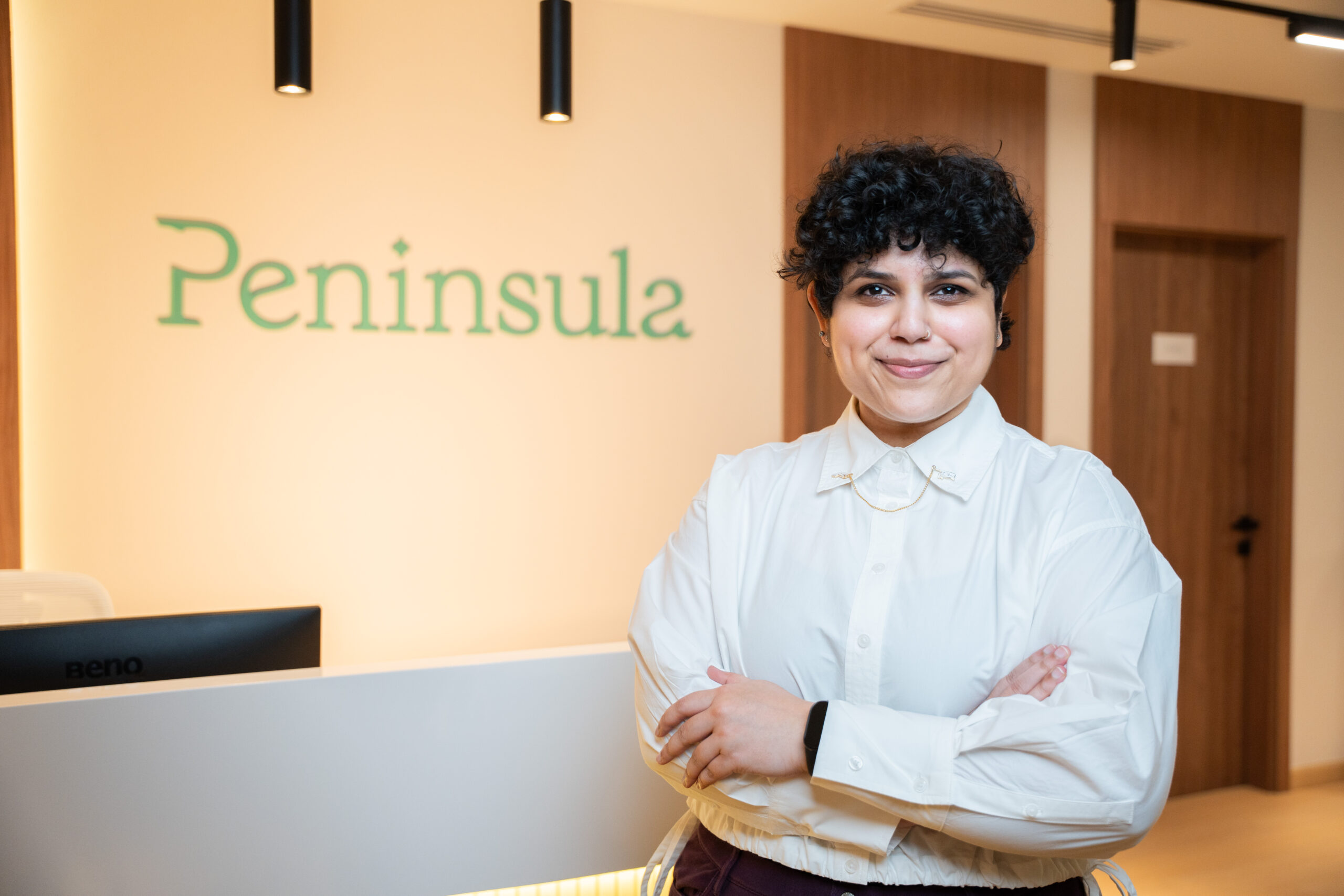
This World Wellness Weekend, Shrav Shankar, a Community Development Authority licensed psychologist at Peninsula Psychology in Dubai, offers a timely reminder: lasting wellbeing requires both personal care and supportive environments.
“In burnout, we begin to feel exhausted and unmotivated, unable to keep up with workplace demands or maintain a balanced view of our daily lives and connections,” Shankar said in an interview with The Ripe Mango Media. “Rather than an individual focus on physical health, current research indicates that a large aspect of burnout focuses on emotional and mental well-being: feeling supported and valued for the work we do, feeling understood by and connected to others and feeling authentic to who we are within our social relationships.”
The World Health Organization defines burnout as an occupational phenomenon caused by chronic workplace stress that has not been successfully managed. Its three dimensions are exhaustion, growing mental distance or cynicism toward work, and reduced professional effectiveness. Burnout is not classified as a medical condition, and it refers specifically to the work context.
This distinction matters. A breathing exercise may help someone calm down after a difficult meeting, but it cannot correct chronic understaffing, unclear responsibilities or a workplace where people feel unsafe speaking up. WHO guidance identifies excessive workloads, long or inflexible hours, low control, limited support and conflicting work and home demands among the risks to mental health at work.
That has particular relevance in the UAE’s expatriate communities. Moving abroad can bring opportunity and growth, while also separating people from familiar support systems.
“Burnout can be quite tricky to navigate, especially in fast-paced cities like Dubai. Hectic work schedules, increased strain and not much space for reflection or rest can result in a person only recognising burnout when it has well and truly set in,” Shankar stated.
She added that persistent exhaustion, muscle tension, irritability, cynicism toward work, and changes in sleep or appetite could indicate that everyday stress is developing into burnout.
Reducing workloads where possible, planning time off, speaking with a trusted person or professional, maintaining self-care routines, and setting aside time for reflection are among the steps that could help address these warning signs, depending on the individual’s situation, Shankar advised.
“In situations where it feels like you might need to constantly be on the move, it can be immensely helpful to pause, slow down and regain connection with yourself and what you need,” Shankar said.
Shankar also noted that social media remains an accessible platform for discussions around mental health and wellness, particularly after becoming an essential source of support for many people during the pandemic and subsequent lockdowns. However, she cautioned that the growth of online wellness trends has also brought products and services promising to “‘fix’ anxiety and depression” or optimize overall well-being.
She advised audiences to question whether such claims are realistic, supported by credible evidence or designed to exploit fears and insecurities.
“Offering yourself the space to think through these questions can help you make more informed choices when it comes to wellness trends and claims online,” Shankar furthered. “Remember, a path to well-being often looks different for each person and requires devoting time to several different factors, rather than having one simple solution.”
Ultimately, preventing burnout requires more than asking individuals to become better at managing stress. It also means examining whether workplaces and communities give people the time, support and psychological safety they need to recover. World Wellness Weekend offers a timely opportunity to broaden that conversation beyond individual habits and consider the conditions that make well-being possible.
For inquiries visit https://www.peninsulapsychology.com/ Peninsula Psychology is a Dubai-based psychology and counselling centre providing compassionate, evidence-based support for adults and couples through individual therapy, couples therapy and psychological assessments.

Subscribe to Our Newsletter
Keep in touch with our news & offers