Survival is often celebrated as the end of a difficult story. For Rucha Daryani, however, it was only the beginning of a far more complicated chapter. At 38, the Dubai-based writer and speaker suffered a stroke following a medical error. The experience paralyzed the left side of her body, requiring her to relearn how to …
Beyond Survival: Why Rucha Daryani Believes Recovery Is About Building Forward
Published: September 10, 2026
by Staff Reporter

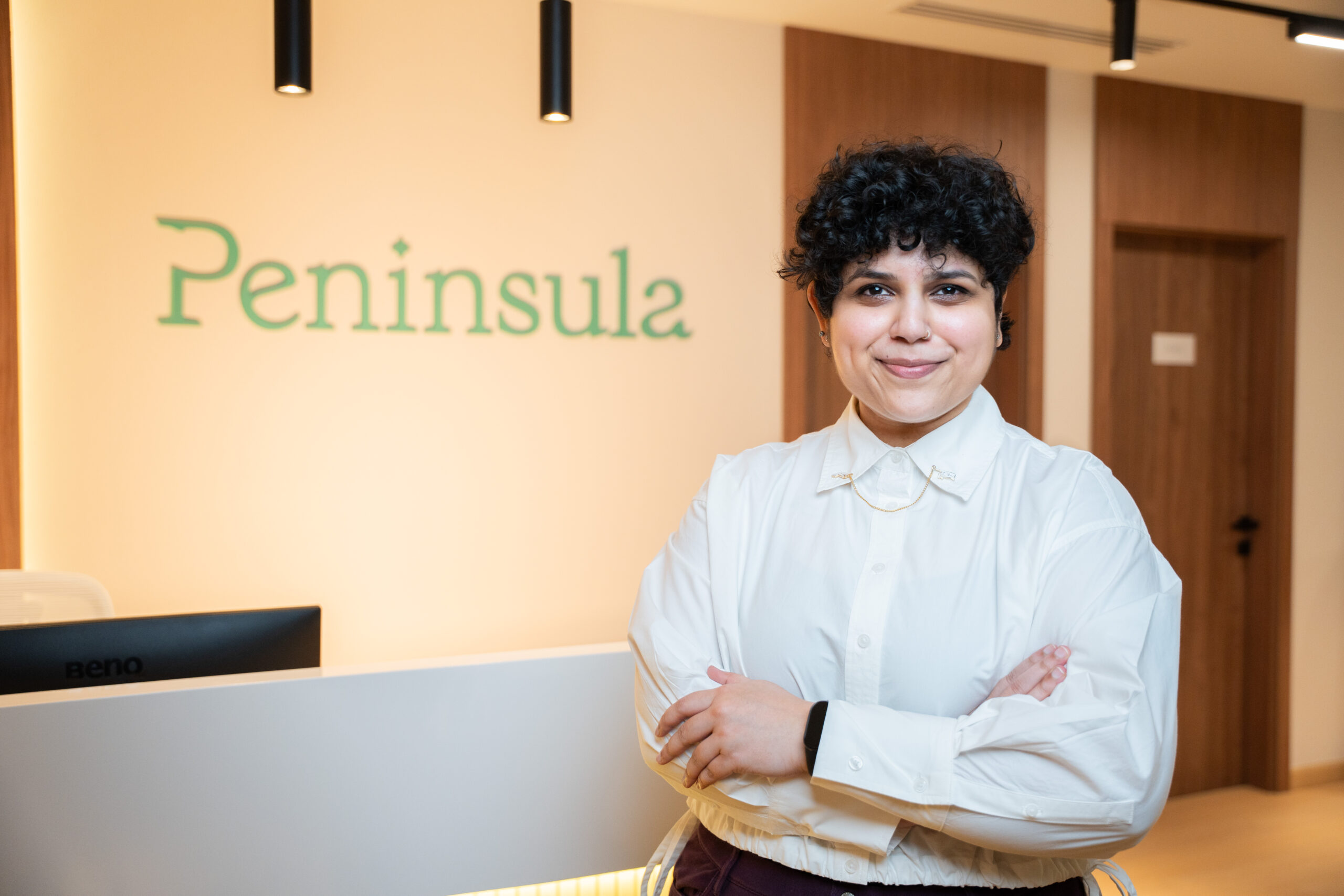
Survival is often celebrated as the end of a difficult story. For Rucha Daryani, however, it was only the beginning of a far more complicated chapter.
At 38, the Dubai-based writer and speaker suffered a stroke following a medical error. The experience paralyzed the left side of her body, requiring her to relearn how to walk, speak and function. While the physical recovery was gruelling, she says the less visible stage had an equally profound impact on her life.
As Daryani’s physical condition improved, people naturally assumed she had recovered. Yet fatigue, fear, cognitive strain and identity loss remained.
Her experience revealed a difficult gap in how society understands recovery: people often receive support during a crisis, but that attention can disappear once the immediate danger has passed.
“We celebrate survival, but often expect people to return to who they were before,” reflects the philosophy behind her work. For Daryani, this expectation overlooks an important truth: life-changing experiences do not always allow people to go back.
That inspired her to establish The Second Act, a UAE-based, human-led movement launching publicly in October 2026.
The initiative aims to support women navigating illness, motherhood, burnout, divorce, career disruption, and other major transitions. It is not positioned as therapy, coaching, or a structured recovery program. Instead, it seeks to offer understanding, connection and permission to begin again without pressure.
At the heart of The Second Act is what Rucha calls soft courage—a form of resilience expressed through rest, pacing, asking for help and taking manageable steps.
This perspective challenges the idea that strength must always look bold or productive. Sometimes, moving forward means acknowledging limitations. On other days, it may simply mean choosing not to give up.
Rucha’s message is both personal and universal: rebuilding a life is not about becoming exactly who you were. It is about creating space for who you are becoming.
“You do not go back. You build forward.”

Subscribe to Our Newsletter
Keep in touch with our news & offers